
Marietta forced into a toxic game. I am a Republican. Ramaswamy sees us as whiners
Columbus Dispatch
Susan Vessels, Guest Columnist
August 10, 2026
The billionaire candidate lobbying for data centers and calling people advocating for clean water ‘whiners’ is not the way forward for Ohio.
Key Points
- Susan Vessels argues that current state regulations are inadequate to protect public drinking water aquifers from contamination.
- She calls for a new rule prohibiting oilfield waste injection near public drinking water sources.
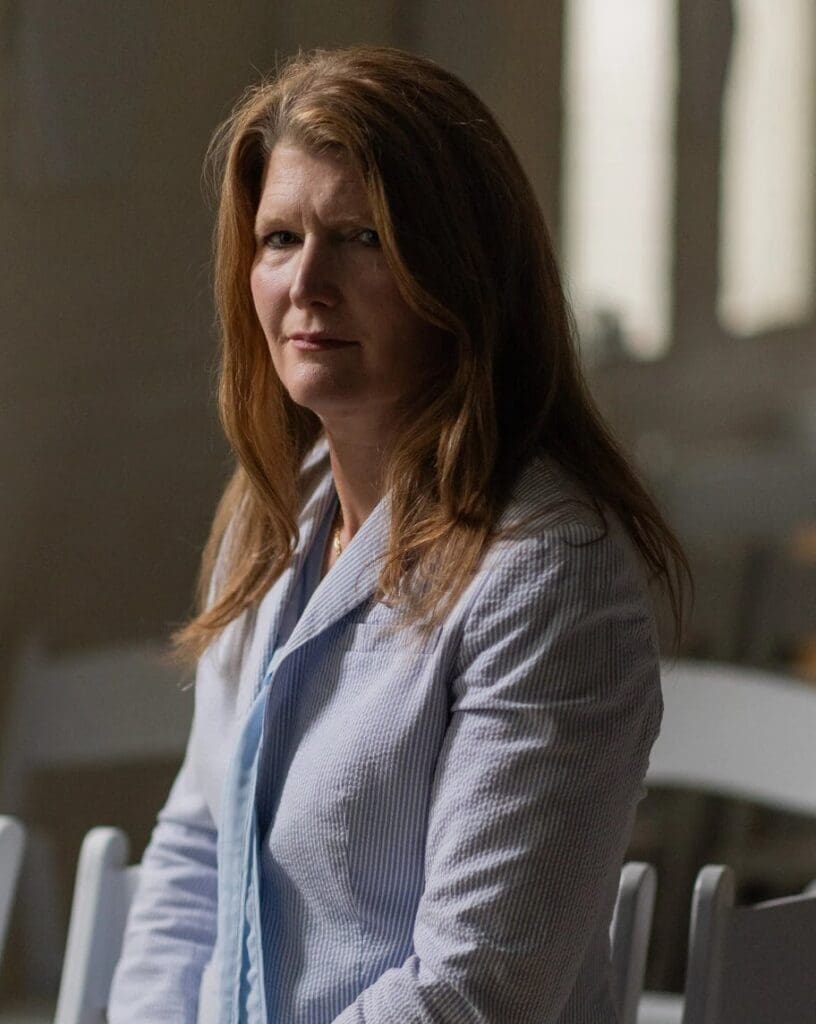
Ohio State University Moritz College of Law graduate Susan Vessels is president of the Marietta City Council.
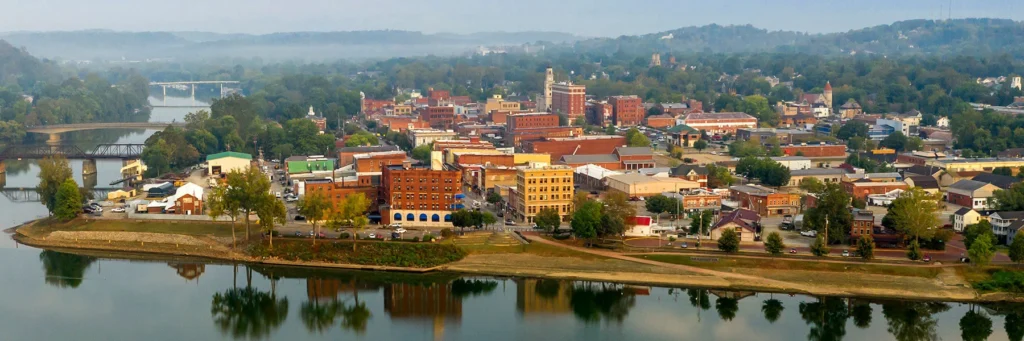
The state of Ohio is forcing my hometown, Marietta, to play an unnerving game of Russian roulette.
One wrong move, and our drinking water aquifer could be contaminated with radioactive, toxic, and extremely salty fracking wastewater.
That is why Ohio needs a simple rule: Do not allow oilfield waste injection near public drinking water aquifers. This is not an anti-energy position. It is a pro drinking-water position, and it should be easy for any Ohio leader to support.
The New York Times highlighted a problem Ohio can no longer ignore in a July 29 article: The state accepts and injects about 1.4 billion gallons of fracking wastewater underground every year.
Washington County alone has 19 injection wells, the same number as the entire state of Pennsylvania. That’s because Pennsylvania sends a majority of its fracking wastewater to Ohio for final disposal.
A few online comments stated Marietta deserves any harm that comes its way from this underregulated toxic waste because Ohio votes Republican. As a lifelong Republican, I acknowledge that Republicans have controlled the state for more than 20 years and, in their desperation to appear industry-friendly, have overseen the transition of Ohio into a dumping ground for out-of-state fracking wastewater.
Nonetheless, in Marietta, safe drinking water is a bipartisan issue. Both parties are filled with voters who misplaced their trust in state regulators and legislators, assuming competence and diligence where these qualities are alarmingly lacking. Regardless of party affiliation, the average Ohioan deserves this predicament no more than the people of nearby Parkersburg, West Virginia, deserved to be poisoned by DuPont’s C-8.
DuPont has spent $1 billion to settle C-8 class-action lawsuits. At least DuPont was collectible. It is not so clear that these companies operating fracking waste disposal wells are.
One company, DeepRock, currently operates four existing oilfield waste injection wells near Marietta and is seeking to increase permitted volumes from 20,000 to 35,000 daily barrels. The current permitted volumes are enough to fill an Olympic size swimming pool every day. The Ohio Department of Natural Resources recently gave DeepRock permits for two new injection wells within 2 miles of Marietta’s drinking water aquifer using outdated rules; these permits are currently at issue in a lawsuit in state court. DeepRock now seeks a third permit from Ohio EPA to inject even more waste near Marietta.
In 2025, Ohio filed nine state tax liens against DeepRock totaling $13,000 for unpaid commercial activity tax. Profits at LLCs such as DeepRock are siphoned off annually to owners, and the LLCs hold $1 million insurance policies that are meaningless in the face of the magnitude of potential harm.
It has been more than 50 years since the creation of the Environmental Protection Agency and passage of the Clean Water Act. Yet, at the ground level, it seems that Ohio regulators have mostly succeeded in enabling an industry that benefits from poorly run, lowest-bidder limited liability companies disposing of unending streams of radioactive oil and gas waste.
Once a drinking water disaster occurs, the responsible LLCs will likely declare bankruptcy, and remediation costs will fall on the taxpayer. Two Noble County injection wells belonging to DeepRock leaked waste from the injection zone to the surface. Five years later, it was the taxpayer, not DeepRock, who funded the cleanup.
For state leaders, the question should not be whether Marietta can tolerate more risk. The question should be whether any Ohio community should be asked to gamble with its public water supply.
What do Ohioans deserve?
Foremost, we deserve state regulations that take into consideration the proximity of public aquifers to waste injection sites.
We deserve a Joint Legislative Ethics Committee that will hold a hearing on whether the former CEO of DeepRock, and chairman of the State Senate Energy Committee, improperly failed to disclose interests in five separate LLCs connected to the injection well industry.
We deserve a governor who will bother to respond to the concerns listed in moratorium resolutions passed by nine political entities with authority over public water in Washington County.
We will be getting a new governor in 2027. The billionaire candidate lobbying for data centers and calling people advocating for clean water “whiners” is not the way forward for Ohio.
In Marietta, the protection of our little city hinges on the fearlessness of a handful of Marietta College professors and moms in Southeast Ohio, despite intimidation from an opaque pro-industry lobbying group that would have you believe we’re all outside agitators. The fact is, the science is on our side, and we are willing to fight for a future that includes clean water.
For now, Marietta has been forced into a game of Russian roulette. Oilfield waste has already migrated to the surface at nearby Veto Lake, and Marietta’s aquifer is similarly situated.
The only chance we have at dodging this bullet is if the state prohibits the injection of fracking wastewater near public aquifers.
Marietta City Council President Susan Vessels is a 2003 graduate of Ohio State University Moritz College of Law and Princeton University, class of 1996. She is a former Army captain in all-source intelligence.
Additional information on OUR DRINKING WATER
Discover more from MOVCAC.com
Subscribe to get the latest posts sent to your email.
