
We Found the Hidden Cost of Data Centers. It’s in Your Electric Bill
The High Cost of the Cloud: How Big Tech’s Data Centers Are Supercharging America’s Power Bills
On the outskirts of Des Moines, a new skyline is rising — not of glass towers or apartment blocks, but of vast, windowless warehouses humming with servers. Inside, machines run day and night, processing everything from your social media feed to the latest AI breakthroughs. Outside, the local power grid strains to keep up.
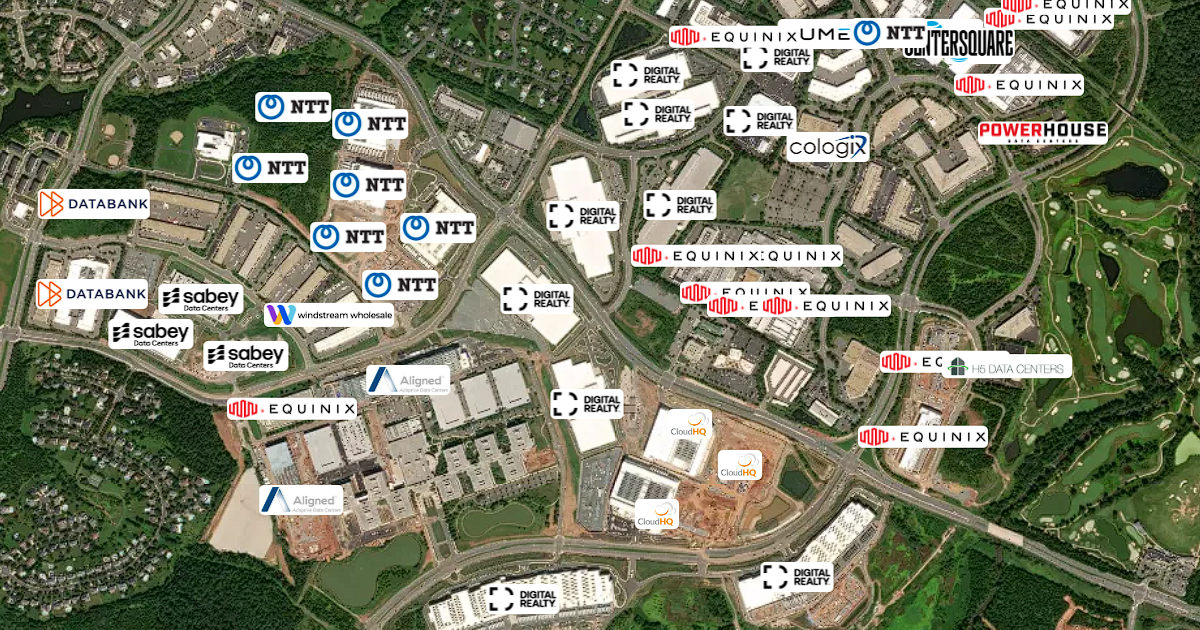
Across the country, tech giants like Amazon, Meta, and Microsoft are racing to build data centers — sprawling digital factories that have become the backbone of modern life. Every video streamed, email sent, and chatbot queried runs through these facilities. But their explosive growth comes with a cost that’s becoming impossible to ignore: higher electricity bills for everyone else.
“Each one of these data centers can consume as much power as 80,000 homes,” said a utility analyst in Iowa. “When you multiply that across dozens of facilities, it’s a massive new load on the grid.”
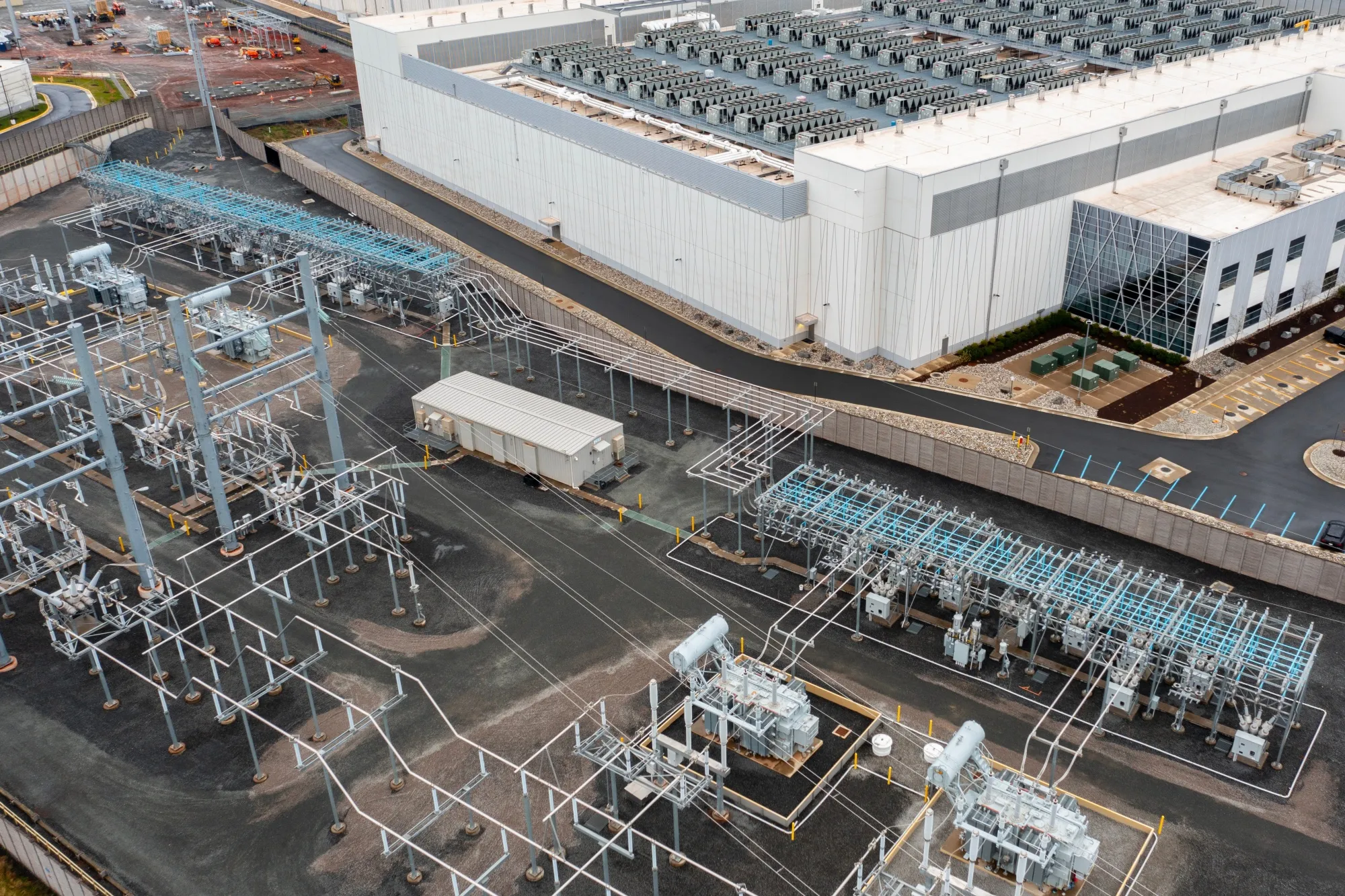
Utilities are scrambling to meet the surge in demand, investing billions in new transmission lines, transformers, and natural gas plants. But those upgrades don’t come cheap — and they’re not being paid for by the tech companies driving the demand. Instead, the costs are often passed on to local ratepayers, who see them reflected in higher monthly bills.
Meanwhile, Big Tech often negotiates discounted industrial rates and generous tax incentives from local and state governments eager to lure investment. Critics say it’s a familiar pattern: privatized profit, socialized cost.
“These companies promise jobs and innovation,” said a local energy advocate in Virginia, “but once construction ends, most centers employ maybe 30 or 40 people. The community gets stuck with higher bills and more pollution.”
The companies counter that they’re investing in renewable energy to offset their carbon footprint, and that data centers are essential infrastructure for the digital age. Amazon and Meta both claim to run on “100% renewable” electricity. But energy experts say those claims don’t always reflect reality. When the wind isn’t blowing or the sun isn’t shining, the power still comes from the same fossil-fuel-heavy grid as everyone else’s.
Now, as the AI revolution accelerates, the problem is growing even faster. Data centers designed for machine learning and cloud computing can consume several times more electricity than traditional ones. States like Georgia, Iowa, and Virginia — already home to clusters of data centers — are facing mounting pressure on their grids, and regulators are starting to push back.
In Iowa, one utility cited new “industrial loads” — largely data centers — as a key reason for its latest rate hike request. In Georgia, consumer advocates are warning that everyday residents could see double-digit increases in their power bills in the coming years.
“This is the hidden cost of the cloud,” said an energy policy researcher. “People think of AI and streaming as weightless, but all those digital services are grounded in steel, concrete, and megawatts.”
For now, the servers keep humming, and so do the profits. But as Big Tech’s appetite for electricity grows, so does the question: who’s really paying the price for the digital world we all depend on?
US Data Center Boom Will Boost AEP’s Electricity Demand By 42% – Bloomberg
Discover more from MOVCAC.com
Subscribe to get the latest posts sent to your email.
